

The Gift and the Curse of Claude in Detroit A CAM Florist Story

A name can be a mask, a mirror, or a warning. In this CAM Florist story, Claude carries one name into Detroit and finds another waiting for him there: CLAWED.
This list reads the story as a modern fable. Claude, the CEO figure tied to Camflorist.com, becomes CLAWED in the harder, sharper world of HoodFlorist.com. The shift is not only about location. It is about loyalty, self-respect, and the strange pain of giving too much to people who later prove they were never truly standing beside you.
The order moves from the gift to the curse, then toward the lesson hidden inside both.

1. The gift is Claude’s willingness to keep giving
Claude’s first gift is not money, status, or a website. It is his habit of showing up.
In the story, Claude represents the kind of person who keeps bringing flowers even after the room has gone cold. He offers patience. He gives chances. He takes the late calls, the blame, the pressure, and sometimes the disrespect. That can look noble from the outside.
The gift is real. Generosity builds trust. It feeds friendships. It keeps families, crews, and communities together when life gets rough.
The practical tip is simple: generosity needs a receipt from reality. If someone only values the gift while it is in their hand, the relationship may not be loyal. It may only be convenient.
Claude’s gift becomes dangerous when he mistakes access for affection.
2. The curse begins when loyalty turns into a one-way street
The curse in this story is not that Claude cares. The curse is that he keeps caring past the point where the truth has already spoken.
The phrase “friends, once proven to be unloyal” carries the sting of discovery. It suggests Claude did not guess wrong one time. He watched patterns. He saw who stayed when the benefit stopped. He learned who could accept his help, then still wound him when it suited them.
That is where the CAM Florist story gets sharp. Flowers can symbolize love, grief, apology, and celebration. Here, they also symbolize emotional labor. Claude keeps arranging beauty for people who leave thorns in his hands.
A useful rule: do not judge loyalty by words spoken during comfort. Judge it by behavior during strain, distance, correction, and disappointment.
If loyalty only exists when Claude is useful, it was never loyalty.
3. Detroit turns Claude into CLAWED because the city forces a harder truth
Detroit is more than a setting here. It acts like pressure.
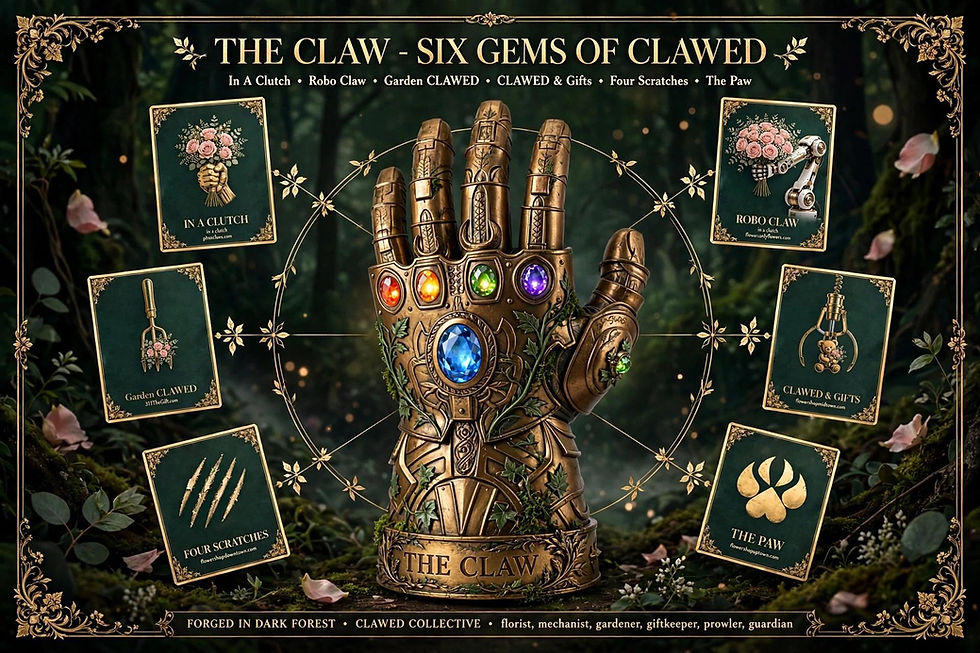
When Claude is in Detroit, he becomes CLAWED. The spelling matters. It sounds like the same person, but it looks damaged, defensive, and armed. CLAWED is what happens when softness survives too much scraping.
This does not make Detroit the villain. In the story, Detroit is the honest backdrop. It strips away polite illusions. It asks a blunt question: who are you when the flowers are gone and only the claws remain?
Claude may be the public name. CLAWED is the inner voice that says, “Stop pretending this did not hurt.”
The practical tip: let hard places teach you, but do not let them shrink your heart into a weapon. A claw can protect. It can also tear up what still deserves care.

4. CLAWED trolling Claude is really self-judgment in disguise
CLAWED trolls Claude in the “$CAM-Florist Story,” but the target is not some stranger. CLAWED trolls himself.
That detail gives the whole story its bite. This is not only about betrayal from others. It is about the inner attack that follows betrayal.
After someone accepts mistreatment for too long, the mind can turn cruel. It starts asking questions that sound like jokes but cut like blades.
Why did you keep answering?
Why did you keep paying?
Why did you keep defending them?
Why did you call that friendship?
CLAWED becomes the sarcastic voice that mocks Claude for being too loyal, too patient, too available. The trolling is painful because some part of it feels true.
But shame is a poor teacher. It can point to a mistake, but it cannot build a better future by itself.
The better move is to replace self-trolling with self-accounting. Claude does not need to humiliate himself to learn. He needs to tell the truth without turning himself into the enemy.
5. The dollar sign in the story points to the cost of being used
The “$CAM-Florist Story” hints at value, exchange, and debt. Maybe it is money. Maybe it is attention. Maybe it is time, reputation, protection, or emotional energy.
Either way, the dollar sign suggests Claude paid.
That payment may not show up on a bank statement. It may show up as lost sleep, stress, broken focus, or the quiet embarrassment of realizing someone enjoyed the benefits of friendship while failing the duties of friendship.
This is the part of The Gift and the Curse of Claude in Detroit A CAM Florist Story that feels most familiar. Many people understand the math after the relationship ends. They count the rides, favors, excuses, gifts, rescues, and silences. Then they see the imbalance.
A practical tip: keep your heart open, but track patterns. If giving always flows one way, the relationship is teaching you something.
Love should not require you to disappear.

6. CAM Florist and Hood Florist represent two sides of the same man
Camflorist.com and HoodFlorist.com read like more than places. They feel like two identities.
CAM Florist is the polished side. It suggests presentation, care, and service. Claude knows how to arrange the flowers, keep things moving, and carry the title.
Hood Florist is the raw side. It suggests survival, memory, neighborhood codes, and the part of a person that knows who was there before the title and who vanished after the test.
One side gives. One side guards.
Claude needs both. If he only lives as CAM, he risks becoming too polished to admit pain. If he only lives as CLAWED, he risks becoming too guarded to receive love when it is real.
The practical tip is balance: do not kill the soft part of yourself just because some people mishandled it. Train it. Protect it. Aim it better.
7. The top lesson is to turn betrayal into boundaries, not bitterness
The top pick in this story is the lesson of boundaries.
Claude’s gift does not have to become his curse forever. CLAWED does not have to stay stuck in self-mockery. The turn happens when pain becomes a rule for future protection.
A boundary might sound like:
I will not keep proving loyalty to people who keep failing basic respect.
I will not call repeated harm a misunderstanding.
I will not reward betrayal with unlimited access.
I will stay generous, but I will stop being careless with my generosity.
That is the cleanest ending for Claude. Not revenge. Not public collapse. Not endless trolling from the harder version of himself.
Just a new rule: the flowers still matter, but not everyone gets a bouquet.

Claude in Detroit becomes CLAWED because pain changes the shape of a person. The gift was his willingness to give. The curse was giving past the truth. The lesson is to keep the gift, cut off the curse, and let loyalty prove itself before it gets close again.

Comments