

From CAM-Florist to CLAWED: Transforming a Family Rivalry into a Cinematic Masterpiece
- Claude Thompson

- 5 days ago
- 4 min read
Family businesses often carry stories of passion, legacy, and sometimes conflict. The tale of CAM-Florist and CLAWED is no different. It’s a story rooted in family ties, rivalry, and creative ambition, now evolving into a compelling movie inspired by iconic films like Baby Boy, Little Shop of Horrors, and Hustle and Flow. This blog explores how Claude Thompson’s draft story, "$Cam-Florist," is shaping into a cinematic journey that captures the complexities of family, ambition, and identity.
The Origin of CAM-Florist and CLAWED
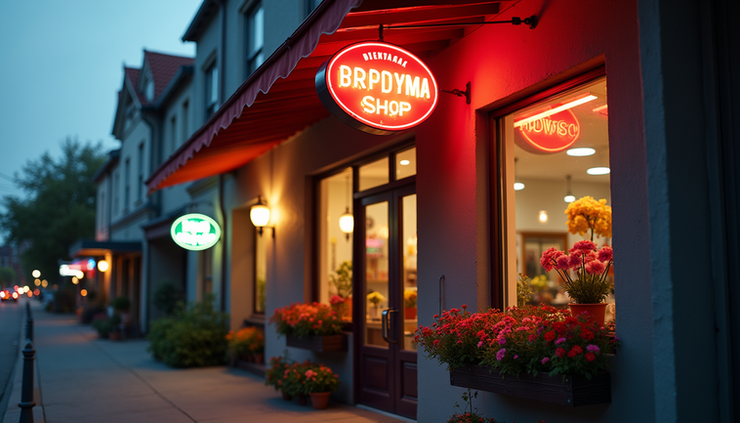
Claude Neighbors founded CAM-Florist as a neighborhood flower shop with deep community ties. Over time, the shop became more than a business; it was a family legacy. Claude’s two children now own the shop, but the story takes a twist with Claude himself adopting the pseudonym "CLAWED." This alter ego represents a darker, more competitive side of the family dynamic, sparking a rivalry that fuels the narrative.
The story’s foundation lies in this tension: Claude’s desire to reclaim control and redefine his identity versus his children’s efforts to maintain and grow the family business. This conflict mirrors real-life family struggles where love and competition coexist.
Inspiration from Iconic Films
The movie draws inspiration from three very different but thematically rich films:
Baby Boy: Explores themes of masculinity, responsibility, and personal growth within a family and community setting.
Little Shop of Horrors: Combines dark humor and fantasy with a story about ambition and moral choices.
Hustle and Flow: Focuses on the struggle to rise above difficult circumstances through creativity and determination.
By blending these influences, the story of CAM-Florist and CLAWED gains depth and texture. It captures the gritty reality of family conflict, the surreal elements of personal transformation, and the drive to succeed against all odds.
Characters and Their Complexities
Claude Neighbors, as CLAWED, is a layered character. He embodies both the nurturing founder and the fierce competitor. His children represent the new generation, balancing respect for their father’s legacy with their own vision for the future.
This dynamic creates a rich playground for storytelling:
Claude/CLAWED: A man torn between past achievements and present challenges.
The Children: Ambitious, sometimes conflicted, but determined to prove themselves.
The Community: Acts as a backdrop and a silent witness to the family’s struggles and triumphs.
The story’s strength lies in its realistic portrayal of these relationships, avoiding clichés and instead offering nuanced, believable characters.
Themes Explored in the Movie
Several key themes emerge from the story, making it relatable and engaging:
Family Loyalty and Rivalry: How love and competition can coexist and shape decisions.
Identity and Reinvention: Claude’s transformation into CLAWED symbolizes the struggle to redefine oneself.
Legacy and Change: The tension between preserving tradition and embracing innovation.
Ambition and Sacrifice: What it takes to succeed in a competitive environment.
These themes resonate with audiences who understand the complexities of family and personal growth.
Visual and Narrative Style
The movie aims to capture the raw, authentic feel of the source material. The visual style will mix gritty urban settings with moments of surreal fantasy, reflecting the influence of Little Shop of Horrors. The narrative will focus on character-driven scenes, emphasizing emotional depth and tension.
Expect scenes that highlight:
The intimate atmosphere of the flower shop.
The contrast between the warmth of family moments and the coldness of rivalry.
Symbolic imagery representing transformation and conflict.
Practical Lessons from the Story
Beyond entertainment, the story offers practical insights for family businesses and creative projects:
Communication is Key: The rivalry escalates due to misunderstandings and unspoken expectations.
Embrace Change: Success often requires adapting while respecting the past.
Balance Ambition with Relationships: Personal goals should not come at the expense of family bonds.
Use Creativity to Solve Problems: Claude’s alter ego CLAWED represents thinking outside the box.
These lessons can inspire entrepreneurs and creatives facing similar challenges.
The Journey from Draft to Screen
Turning Claude Thompson’s draft into a movie involves several steps:
Script Development: Refining the story to balance drama, humor, and realism.
Casting: Finding actors who can bring depth to complex characters.
Location Scouting: Choosing settings that reflect the story’s urban and intimate feel.
Direction and Cinematography: Crafting a visual style that supports the narrative tone.
This process requires collaboration and a clear vision to honor the original story while making it accessible to a wider audience.
Why This Story Matters
The transformation of CAM-Florist and CLAWED from a family rivalry into a movie highlights the power of storytelling. It shows how personal experiences can become universal narratives that entertain and provoke thought.
This story is not just about flowers or business. It’s about identity, family, and the choices that define us. It invites viewers to reflect on their own relationships and ambitions.
What to Expect Next
As the movie project progresses, fans and newcomers alike can look forward to:
Behind-the-scenes insights into the making of the film.
Interviews with the cast and creators.
Opportunities to engage with the story through events or online platforms.
This evolving project promises to bring a fresh, authentic voice to the screen.
The journey from CAM-Florist to CLAWED is a vivid example of how real-life family dynamics can inspire powerful storytelling. This movie will offer a unique blend of drama, humor, and heart, inviting audiences to explore the fine line between rivalry and love. Keep an eye out for this cinematic masterpiece that turns a family’s story into a universal experience.

Comments